






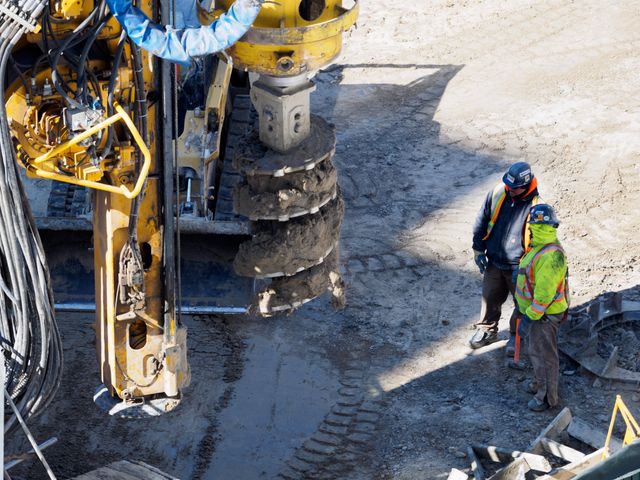
Before a plumber can run a pipe through a concrete floor slab, before an electrician threads a cable through a fire-rated wall, and before a mechanical contractor installs a duct penetration in a commercial building, someone has to make a hole. That hole is the starting point for almost every building services trade that follows, and its position, diameter, and cleanliness determine whether the work that comes after fits as planned or requires costly adjustment before it can even begin.
What Core Drilling Is and Why Impact Methods Don’t Compare?
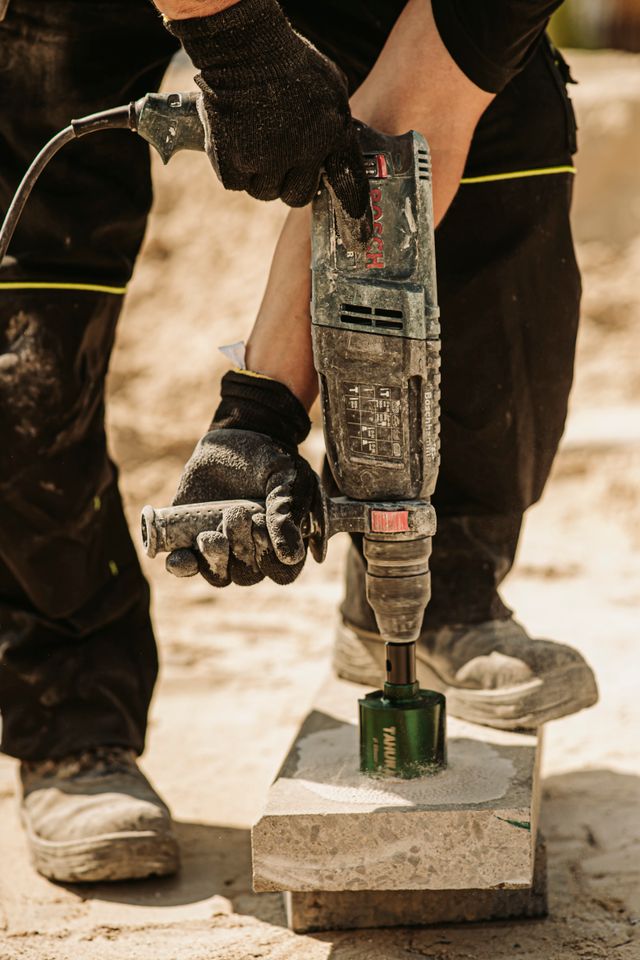
The diamond core drill cuts a cylinder of the substance out of concrete, masonry, or bricks by using a rotary drill that is fitted with segments of industrial diamonds. Specialist contractors offering core drilling Melbourne services use this annular cutting principle, where only the ring around the centre is being cut and the cylinder inside remains untouched until it is extracted. The surroundings are undisturbed without cracks, spalling, or vibration damage to the adjacent structure.
Methods involving impact forces, including hammer and jack-hammering, will result in fracturing rather than cutting. The hole will be of poorer quality, the concrete surface will suffer micro-cracking, and debris will become significantly harder to manage. Impact drills may be acceptable when it comes to light materials and small pilot holes. For drilling through structural slabs, reinforced walls, and any case where the surrounding concrete is critical, a diamond core drill is the right tool.
Diameters of holes drilled in Melbourne in commercial and infrastructure applications range from 35mm for anchor bolts and cables up to 600mm and higher for drainage column and HVAC penetrations.
Where Core Drilling Shows Up on a Melbourne Job Site?
The sort of work being done on the average Melbourne construction or renovation project spans almost every building services trade:
- Plumbing And Drainage: Placing waste lines through slabs, fitting service entry pipes through footings, and creating drainage sumps in ground-level concrete floors.
- HVAC And Mechanical: Cutting ductwork through floor plates in commercial high-rises, fitting cooling tower bases, and getting services into equipment rooms.
- Electrical And Data: Running cable pathways through fire-rated concrete walls and floors where the quality of the hole really dictates how well a penetrator can be sealed back up and retain its fire rating.
- Safety Infrastructure: Drilling anchor points into concrete for things like barrier systems, stairwell fixings, structural brackets and facade access gear.
According to the Australian Bureau of Statistics, the building industry employed 1.3 million Australians and generated $568 billion in income back in 2022-23, with construction services making up 68.6% of employment figures; a number that really shows just how much of Melbourne’s built environment relies on getting the groundwork right before any actual work starts.
Drilling Into Reinforced Concrete: Not As Easy As It Sounds
The reinforcing steel in concrete doesn’t stop a diamond core drill. The bit just goes through the rebar as it does through the concrete itself. What you do need to consider is planning beforehand so you don’t go and sever any load-bearing rebar when you start drilling. That’s not a prep task; it’s a structural intervention that needs some proper engineering thought.
Before you start drilling into structural slabs or walls, scanning with ground-penetrating radar maps out where the rebar, post-tension cables and conduits are. Many project managers and drilling contractors now make it standard procedure to do a GPR scan on structural elements, especially where you are dealing with post-tensioned slabs where cutting a tendon can have serious consequences right away. You’ll need to check whether a scan is needed on a particular job based on the type of slab, the structural drawings you have and your client’s risk management strategy.
Most commercial sites in Melbourne use the wet core method when it comes to drilling, where you keep water flowing over the bit as you drill. This keeps the diamond segments cool, extends the life of the bit and flushes out the debris from the cutting area. You’ll need to sort out how to contain and dispose of the slurry you get from this process, especially if you’re working in a clean or occupied building space.
Not Every Hole Is a Straight-Up Job
Not all penetrations are vertical; drainage lines through retaining walls need angled cuts to get the right gradient and cable runs through external walls might need to slope down to stop water getting in. When it comes to openings through facade systems you will be needing horizontal cuts.
Vacuum plate anchor systems are the way to go when you need to attach things to finished surfaces without making any holes, making them perfect for things like penetrations through tiled floors, polished concrete or heritage masonry where you can’t just bolt things in place.
Stitch Drilling for Large Openings
In the case when a hole bigger than a core diameter is needed to drill through the concrete wall and wall sawing can not be used because of accessibility, noise or vibration issues, the hole will be drilled via overlapping core holes along the perimeter of the required hole. This process causes a lot less vibration transmission to the structure, and this factor plays a big role since in busy Melbourne buildings it is important to be able to keep adjacent tenancies occupied for the whole time of drilling works.
Why Timing Within the Construction Programme Matters?
Core drilling is a mandatory trade. All other services, such as mechanical, plumbing, electrical, and fire services need penetration holes to be ready before installing all rough-in parts of services, but in turn those services need to be ready before closing walls and ceilings by following trades.
Retrofitting a core hole in the finished slab, when floor finishes and some services are installed, is a more difficult and costly procedure compared to drilling this hole during the structural stage. The information that needs to be confirmed by the project manager before booking a drilling contractor includes slab thickness, reinforcement type and depth, positions, required hole diameters, and angle of penetration if required.







Leave a comment