


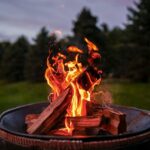


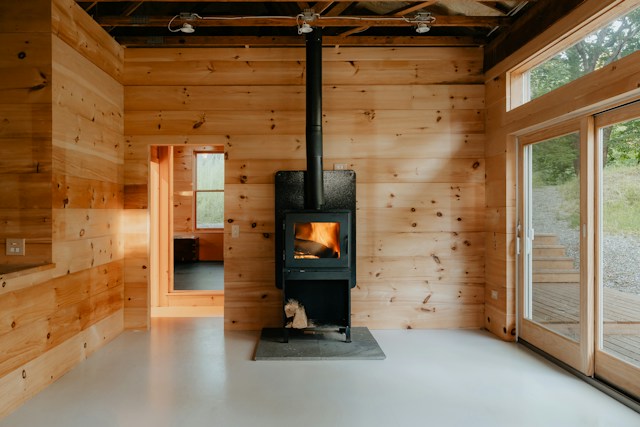
Perth winter mornings are especially cold for dwellings with poorly insulated walls and old floorboards. It takes just minutes for a wood heater to heat up a room. Nevertheless, there is more to consider when buying a wood heater. The smoke from the heater could affect the adjoining buildings, and the furniture or other home appliances near the heater could easily catch fire. It is essential for the buyer to take into account all of the above factors before purchasing a heater.
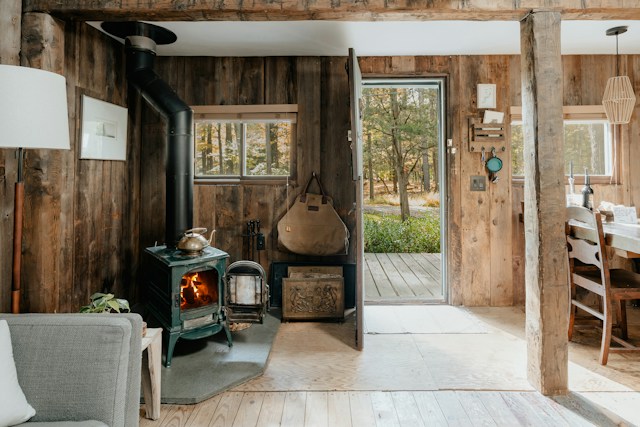
Why Perth Residents Prefer Wood Heaters?
Despite the fact that Perth does not have very long winters, the nights can be rather cold in houses that lack proper insulation. Besides, those dwellings located in the suburbs of Perth and in the hilly areas have fewer heating options. People tend to purchase wood heaters Perth in order to avoid increasing electricity bills and power outages.
Why A Bigger Heater Is Not Always The Answer?
A more powerful wood heater does not necessarily mean a warmer home. When a unit is too powerful for the room, people often end up closing off airflow to stop the space from overheating. And guess what happens when you restrict airflow? The fire smoulders, producing a lot of smoke while reducing the amount of useful heat you get. Room size, ceiling height, insulation, and whether you’ve got an open-plan living area all play a part in figuring out just how much heat you need.
You typically see recommended floor coverage figures provided by manufacturers and suppliers for different heaters. Treat those as rough estimates, not hard and fast guarantees.
Wood Heaters, Radiant And Convection Heat
Wood heaters work by warming people and things up directly with radiant heat, perfect for smaller, more enclosed living areas. Convection heaters, on the other hand, circulate warm air around a space, which is often ideal in bigger open-plan areas where you need heat to spread right across the room. Freestanding heaters give you a lot more flexibility in where you place them, while inbuilt models can just be fitted into an existing fireplace.
All sorts of additional features can add to the purchase price but also make your daily life easier. A cooktop plate, glass doors or built-in firewood storage can be just the ticket.
Using Wood Heaters With Less Smoke
The simplest way to get the most out of your heater is to use dry, properly seasoned firewood. In some places, like Perth, you can’t even sell domestic firewood if it’s got an internal moisture content above 20 per cent, unless you have special permission. A basic moisture meter can help you check on the firewood you buy. And let’s face it, wet wood just uses up energy to evaporate moisture, leaving you with less heat and more smoke.
If you start your fire with dry kindling and keep the air intake open, you’ll get brighter flames and a healthier burn. Avoid using wet, green or even chemically treated timber; that’s just guaranteed to produce more smoke.
Buying And Installing Your Heater, Don’t Be A DIY Hero!
You may need to deal with different providers to get your heater installed because some suppliers don’t do installs. Licensed installers handle flue installation, safety clearances and roof penetrations, none of which is the sort of thing you want to tackle as a DIY project. You’ll also need to check with the local council to make sure you’ve got the necessary approvals, which can affect how high and where you place your flu. All of that can impact how efficiently smoke is drawn away and even neighbouring properties.
Before you go out and buy a wood heater, make sure you:
- Measure up your room; think about the ceiling height and insulation.
- Double-check that the heater has had the necessary tests for emissions and efficiency.
- Get in a supply of dry, seasoned firewood before you even start using the thing.
- Get a licensed installer and confirm you’ve got all the local approvals you need.
- Make sure you’ve got working smoke alarms and some space around the heater; a metre should do it.
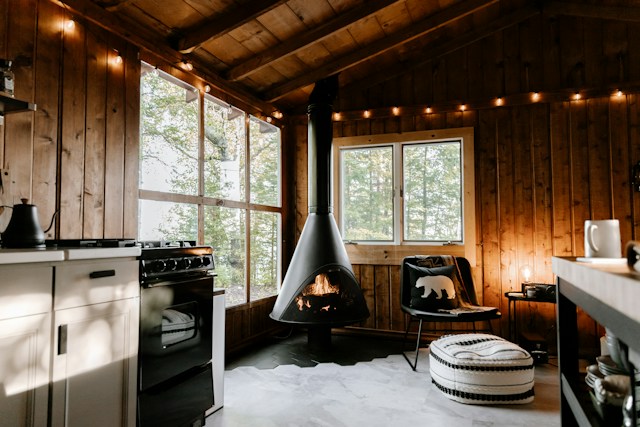
Keeping Your Room Safe From Fire
The heat from wood heaters can quickly become a fire hazard if you’ve got things too close to them. In Western Australia, house fires caused by heating systems, including wood heaters, jumped by 25 per cent in one winter. And the biggest culprit was people putting their stuff too close to the heat. It’s a good idea to keep everything at least a metre away from your heater.
Clothes drying racks, firewood, curtains and couches are all common things that get placed too close to the heat and can quickly become a fire risk.





Leave a comment