






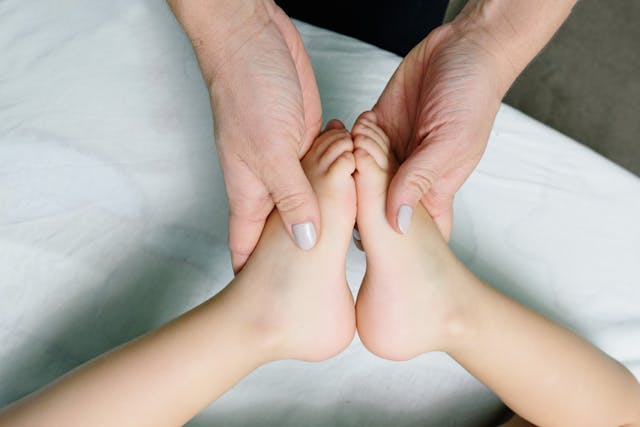
In Australia, the issue of foot health amongst children continues to grow, with more children experiencing difficulties in walking and musculoskeletal disorders. A study conducted by BMJ Open analysed over 229,000 general practitioner presentations in Australia and identified an increase in foot, ankle, and leg issues among children from 6.1 presentations per 100 patients in 2005-2006 to 9.0 presentations in 2015-2016. According to the study, physicians in all primary health practices have seen high incidences of injuries, infections, skin disorders, and undefined foot pain within children during the mentioned time period. Foot structure develops in a child over several years, and without proper intervention during this time frame, any existing structural and biomechanical abnormalities will lead to pain and issues related to walking throughout their lifetime. A podiatrist Armadale may be contacted in case of changes in gait patterns, painful heels that do not go away, and balance disorders that are impacting children’s lives outside and inside the classroom.
Flat Feet and Other Structural Foot Problems
Flexible flat feet have continued to be amongst the leading causes of visiting a podiatrist clinic in Australia by children. The incidence rate of flatfoot in children ranges from as low as 2% up to 44% depending on several factors such as the developmental stage of the child as well as the diagnostic procedures used. These varying statistics can be attributed to the development phase, level of physical activity and variances in weight among other factors. Toddlers tend to suffer from flat feet because the tissues and ligaments within the sole of the foot have not yet developed to the point that the arch is formed and can be easily detected. However, worry arises when the problem persists past infancy and results in causing pain, fatigue and lack of stability. Flatfoot among Australian children has become more significant when it causes rigidity, abnormal movement, and deterioration of functional ability.
Toe Walking and Changes in Gait
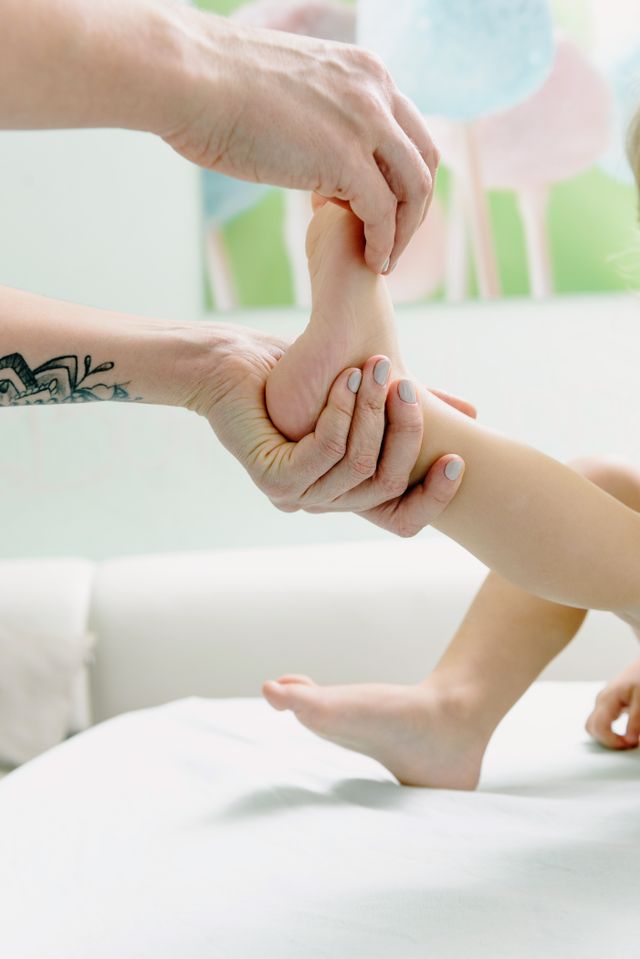
Toe walking is frequently seen in children until the age of three years old. Toe walking in children younger than three years old is seen as part of normal growth by Australian podiatry associations. However, once a child persists with toe walking after three years, matters may turn different, and a physician starts seeking medical conditions such as neurological or muscular disorders or sensory processing problems causing toe walking. Prolonged toe walking causes calf muscles to tighten and gradually limits the mobility of the ankle joint as the child grows up. As a result, poor posture due to the aforementioned changes occurs, as well as poor balance and inefficiency in movement using the lower extremities. Practitioners from Australia emphasize the fact that unaddressed gait anomalies commonly cause other health problems, such as knee problems, hip pain, and coordination difficulties in adolescence.
Sports Injuries and Repetitive Strain Problems
In addition, Australia’s love for sports has also been linked to the prevalence of injuries in children. According to the results of the BEACH Study, injury was identified as the most prevalent diagnosis among all conditions in the lower limb in children treated in general practice in Australia, occurring at an incidence of 755.9 per 100,000 consultations. The incidence of ankle sprain alone is very high, at 310.3 per 100,000 consultations, which makes them one of the commonly managed musculoskeletal conditions in children. Injury incidence increases significantly between the ages of 10 and 14, where children are very active in playing football, basketball, running and dancing. This is worsened by puberty where there may be a mismatch in the rate of development of bones and soft tissues, resulting in susceptibility to overuse syndromes. One of the common conditions among these age groups is the calcaneal apophysitis, or Saver’s disease. Incidence ranges from 0.37 to 0.60 per 100 person-years.
Skin and Nail Conditions Affecting Children
Skin diseases make up another significant proportion of paediatric podiatry cases. According to an Australian study, there are 299.4 dermatologic conditions of the feet per 100,000 GP consultations for child patients. Such diseases as fungal disease, plantar warts, and ingrown nails are still among the leading causes of consultation at clinics. Swimming pools, changing areas at schools and sports clubs increase the risk of plantar warts in children. The rise in ingrown nail cases is associated with wearing tight shoes and cutting the nails incorrectly. Clinical studies have shown that delayed treatment may result in the recurrence of nail infections and in certain instances prevent walking.
How Obesity Affects Children’s Foot Health?
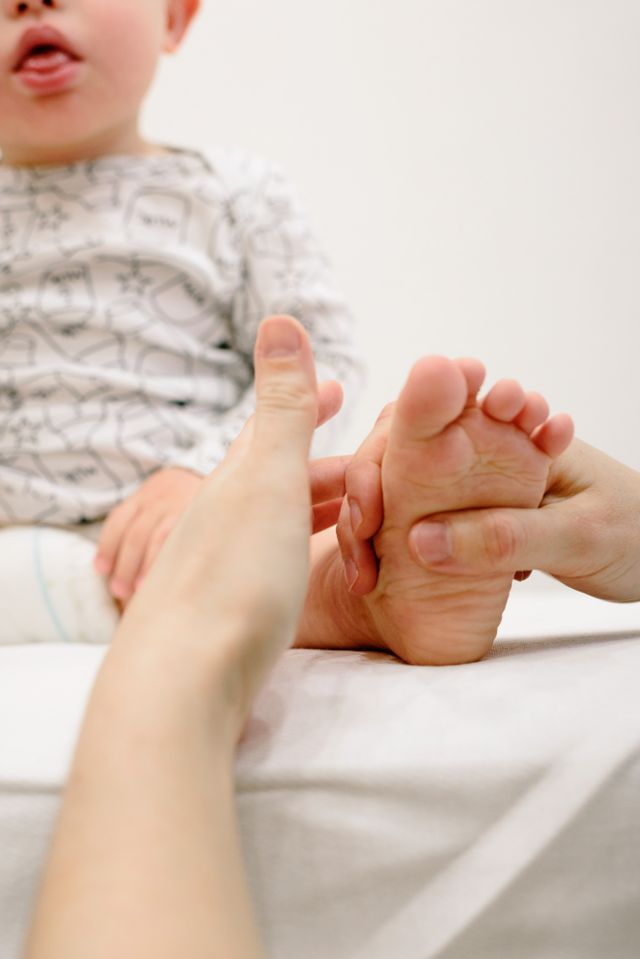
Obesity in children is now considered to be one of the leading causes of foot problems in children. There have been studies in Australia and other parts of the world that associate increased body weight with alterations in foot biomechanics. Increased body weight increases the burden on the developing ligaments, joints, and cartilages, thereby increasing the risk of problems. In one study conducted on Australian children from seven to ten years old, it was observed that there was an association between body mass index and foot posture. Overweight children had less endurance than those of normal body weight.









Leave a comment