






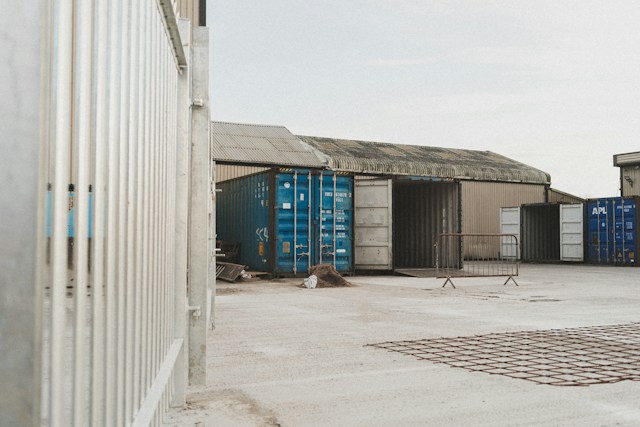
How long does it take from an empty oval to a fully functioning relief centre that is powered, lit and sheltered? The answer, in many cases of rapid deployment structures, lies in hours instead of months. Natural disasters such as floods, bushfires, and cyclones do not give people time to wait for the arrival of a builder. This has resulted in speed becoming a key element in design in emergency services, mining, and construction.
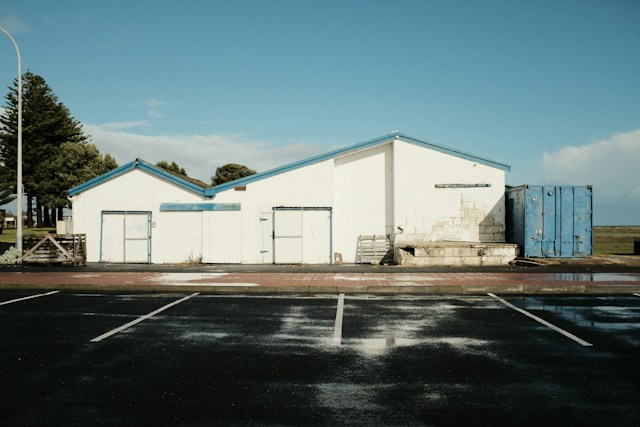
Built for Emergencies, but Used Much More Often
Rapid deployment structures fall between lightweight tents and conventional buildings. They use a steel or aluminium frame which carries either heavy fabric or rigid panels. They can be erected within a short while and dismantled when the need changes.
They are used by emergency agencies as evacuation centres, triage areas and supply centres. They are also used by mining companies to provide shelter to their staff and equipment. Defence forces, event organisers and local councils also use them.
A marquee is ideal for a party, but it won’t last long in weeks of dust and wind. A permanent shed endures harsh environmental conditions, but it cannot be taken elsewhere.
The First 48 Hours: What to Expect
Speed really counts, but only if you’ve put in the prep when disaster strikes. The key components, like beams and panels, are already in containers or on trucks, ready to be unloaded. A team of trained pros then gets to work levelling the ground, setting the base, and putting up the frame, bit by bit.
The modular design is what makes all this possible. Everything fits together in standard sizes, so there’s no need to cut anything on site; we can just slot the components in place. Once the basic structure is up, we can hook up the lighting, power and AC.
Within 48 hours, we can have a whole site up and running with:
- Safe spaces for families and relief workers to crash in.
- A decent medical facility; clean floors and a controlled temperature make a big difference.
- Storage for all the donated goods, fuel and kit that always seem to turn up.
- Offices for all the volunteers and relief agencies to get to work in.
Designing for the Tough Stuff: Wind, Fire and Rough Ground
We’ve had our fair share of cyclones in northern Australia, and that’s taught us to make sure our frames can stand up to some serious wind. That means extra bracing, tie-downs and fabric tension in those areas.
But then there’s bushfire country, and that brings its own set of risks. Flame-retardant fabric can slow things down a bit, but you can’t rely on it on its own; site selection, cleared space, emergency planning and advice from the local fire authorities are all crucial.
And then there’s the ground itself. Remote sites can be a real challenge; we’ve got crews who know how to pin anchors into rock, screw anchors into sand and use weighted bases in soft clay. But even with identical frames, the footings can be completely different depending on where they’re standing.
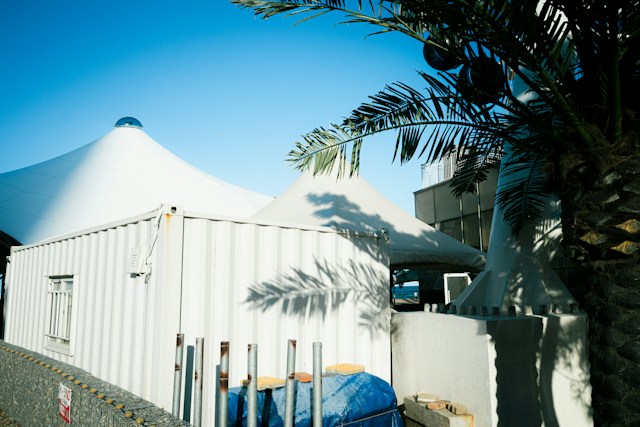
The Business Case: It’s Not All About Disasters
Of course, not all our customers need to deal with disasters. Warehouses use our structures to store overflow stock during peak periods. Construction projects set up site offices, lunchrooms and tool stores that pack away once the build is done.
And for seasonal businesses, like farms and retailers, they’re just as useful. We can store hay and machinery on farms during harvest, and then clear the paddock. Pop-up shops can open up for festivals and holiday trade.
When it comes to leasing or buying, it usually comes down to how long the structure is needed and how often it’ll be moving. Before you commit, you should be asking yourself:
- What wind and snow loads is the structure certified for?
- Does the local council treat it as a permanent or temporary structure?
- How many people do you need to get in to set it up, and how long will it take?
- Can you add to or reconfigure the frame later on?
Reuse is a big deal for our clients these days. A demolished shed just ends up in landfill, while a modular frame can just move on to its next project. That’s why speed earns its place in the budget, whether it’s a flood warning or a full order book that’s driving the urgency.






Leave a comment