






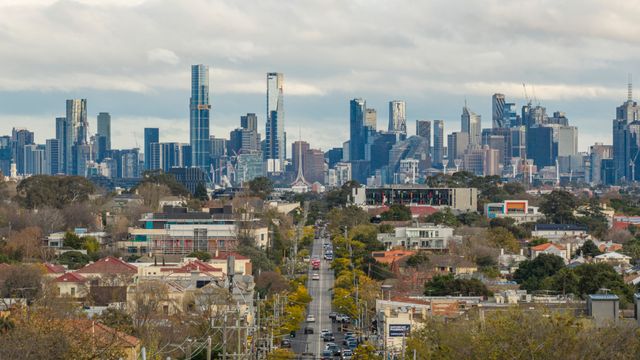
Melbourne’s climate is a real oddity among Australian cities. One morning you need to crank up the heating because it’s a chilly 7 degrees. By mid-afternoon you’re scrambling to cool down because the sun is blazing. That unpredictability isn’t just a pain. It creates some pretty specific demands on heating and cooling Melbourne systems that many people underestimate. If you choose the wrong system for Melbourne, you can end up paying a pretty penny to fix it. With the rebate landscape being as complex as it is, it’s not just a matter of splashing out.
What Melbourne’s Climate Actually Does to HVAC Systems?
Melbourne’s weather jumps back and forth between heat and cold all day. That constant change puts a fair amount of mechanical stress on your heating and cooling system. In cities like Brisbane and Adelaide, the climate is much more predictable. In Melbourne, you need a system that can handle frequent on and off cycles without losing efficiency. Systems that work just fine in Brisbane or Adelaide can struggle in Melbourne. They need to shift from full-on heating at 7 am to full-on cooling by 2 pm. That happens regularly during Melbourne’s shoulder seasons.
The Rapid Cycling Problem
The mechanical stress from all that on-and-off switching isn’t just a problem for your system. It also has a direct impact on your energy bills. If you’ve got a system that’s been sized too small for your Melbourne property, it will end up short cycling under mild conditions. It will also struggle under peak conditions. Getting the sizing right for your home means taking into account the actual heat load. Ceiling height, insulation, window orientation, and other factors all play a part. Using a generic rule of thumb developed for another city simply doesn’t work for Melbourne homes.
Gas Ducted Heating vs Reverse Cycle: The Decision Melbourne Homeowners Keep Getting Wrong
For decades, gas ducted heating has been the dominant heating system in Melbourne. This is especially true for homes built between 1970 and 2010. The systems work well during winter. They offer nothing once summer arrives. The Victorian Government has been encouraging homeowners to switch to reverse cycle ducted systems. Eligible households can access rebates of up to $5,530 for qualifying replacements. Approved systems have required a five-year warranty since March last year. There is also a mandatory $1,000 co-payment for ducted systems. This isn’t a free upgrade. The net savings can still be substantial for eligible homeowners. The economics have shifted in favour of making the switch. Gas prices have increased. The Victorian Energy Upgrades program has been extended until 2045. That long-term commitment gives homeowners greater confidence when investing in electric heating solutions.
Split Systems, Ducted Systems, and Multi-Head Configurations: Matching the System to the House
The right heating and cooling Melbourne solution depends on your home’s layout, size, and the way your family uses each space. Single-storey homes under 150 square metres often perform well with high-capacity split systems. Larger homes or properties with multiple levels usually benefit from ducted refrigerated systems that allow different temperature zones. Multi-head systems provide a practical middle-ground option for medium-sized homes. They deliver room-by-room control without the cost and disruption of installing full ductwork.
Government Rebates and What They Actually Cover
Victoria’s Energy Upgrades program offers genuine rebates for eligible homeowners replacing gas heating with electric systems. The amount you receive depends on several factors. These include the system size, your eligibility, and whether you’re installing a new system or replacing an existing one. It also comes down to choosing a VEU-approved installer. Not every company offering heating and cooling Melbourne services has completed the approval process. Always confirm that your installer is registered before accepting a quote. Otherwise, you could end up paying higher upfront costs without receiving the available rebate. The largest advertised rebate is up to $5,530 for replacing eligible whole-home gas ducted heating with a qualifying reverse cycle system. Smaller installations attract lower rebate amounts. The value of Victorian Energy Efficiency Certificates also changes regularly. That means a quote from several months ago may be very different from today’s pricing.
Servicing, Maintenance, and the Costs Buyers Plan Poorly For
A ducted system without a proper maintenance plan can become an expensive long-term commitment. Melbourne’s dusty summers, heavy pollen, and damp winters place extra demands on climate control equipment. These conditions make regular servicing far more important than many homeowners realise. Energy Safe Victoria recommends servicing at least once each year. That’s the minimum. Reverse cycle systems also need refrigerant checks, duct inspections, and routine maintenance to keep operating efficiently. Skipping those services can lead to higher running costs and reduced performance over time.


Leave a comment