






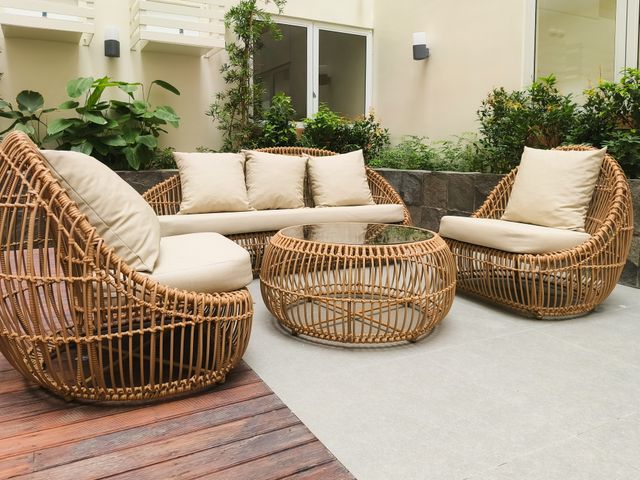
Outdoor seating can add considerable capacity and street presence but an exposed area has to work more than an inside room. The sun direction, wind, drainage, passing traffic and storage all play a part in whether customers prefer to sit there. Furniture also needs to resist frequent cleaning and changing weather conditions without making it difficult for workers to move it. The microclimate and servicing routine are the starting point for a good outdoor setting, and then material and layout choices are used to make the area feel intentional throughout the year.
Visit the location at different times of year
Before ordering outdoor furniture melbourne, Melbourne cafes should watch the location in morning sun, afternoon heat and prevailing wind. A comfortable breakfast place might open later in the day. Identify where water pools after rain and whether umbrellas or barriers may impact pedestrian circulation. These observations help establish table position, shade demands and how many seats the venue can comfortably sustain rather than simply fit.
Choose materials for exposure and care
Timber, metal and synthetic parts respond to sunshine, moisture and cleaning in different ways. The decision should take into account finish maintenance, heat in direct sunlight, possibility of corrosion and ease of inspection by staff for wear. Commercial pieces are moved and used again and over thus they need robust joints and secure platforms. Care instructions should be part of the operational routine so that timely maintenance supports weather resistance.
Keep the service path unobstructed
Outdoor areas generally sit next to gates, sidewalks and food waits. Chairs should not be allowed to stray into public movement paths when occupied. Staff need ample space to carry trays and clear tables without walking into the traffic. Barriers and planters can help define the zone, but shouldn’t create hidden corners or block sight lines. A good barrier will give the sitting a sense of protection, while allowing the surrounding space to be easily navigated.
Plan shade not making a sail
Umbrellas and screens promote comfort, but poorly secured elements may become risks in windy conditions. Bases, fastening and closing methods shall be appropriate to the exposed conditions. The shade should also move with the sun and not just be over the table at one time of the day. Where structures are temporary, workers need clear procedures on when to open, change and store them. Comfort is most effective if it is anchored in a safe operational plan.
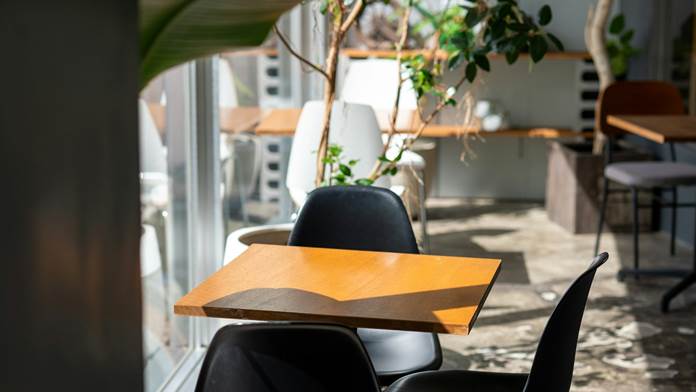
Prepare for the close and poor weather
The end-of-day routine dictates what practical furniture is. Decide whether items will stay outside, be tied together or go into storage. Consider how much weight the personnel can safely carry, as well as the indoor area available. Wet furniture might need to be dried and checked before stacking. A well-run routine is likely to remain structured, but a tough routine encourages short cuts which can spoil finishes and limit service life.






Leave a comment