






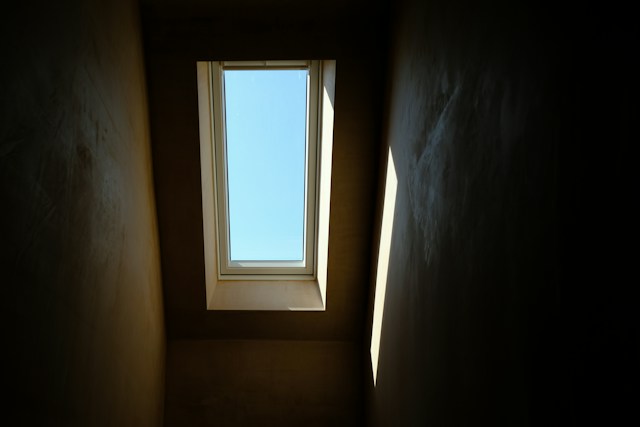
Perth gets a whopping 3,000 hours of sunshine per year or thereabouts. Most of it just ends up bouncing off the pavement and warming up the outside of homes, but the rooms inside are reliant on electric lighting all day long. For people with dark hallways, a dodgy internal bathroom or a living space that just never feels bright enough, that’s a bit of a problem that you’d think would be easy to sort out. And it is; a skylight installation can be a game-changer, but it’s also a serious modification to the building itself and the decision you make about it will be just as important as the installation itself.
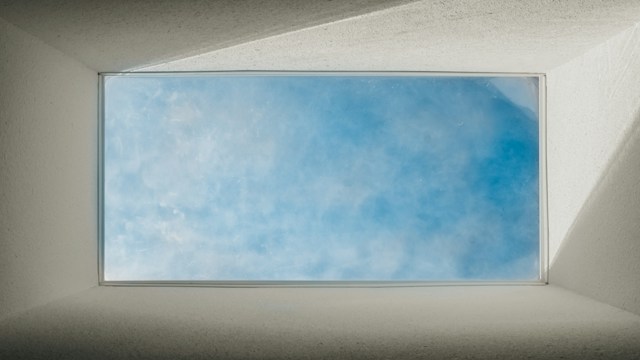
What Natural Light Actually Delivers?
Rooms that get a good dose of natural light during the day are completely different from those that rely on artificial lighting from dawn to dusk. The Australian Government reckons that daylight access is actually a key factor in how well a home performs in terms of energy efficiency, which in Perth’s case is a pretty big deal given our killer sunshine. Reducing your reliance on artificial lighting during the day really does help lower a home’s energy load and in a city like Perth, even a small skylight installation can make a heck of a lot more difference than it would in a place with less sun.
The rooms that stand to gain the most are those where a window just isn’t an option: internal bathrooms, hallways, walk-in wardrobes, rumpus rooms and all that, basically any space that’s a fair way from the outside wall. That’s where the difference is going to be most noticeable and most consistent after a good skylight installation.
Understanding the Different Skylight Types
Tubular skylights, also known as sun tunnels or sky tubes, are basically a special type of daylight channel that draws light from a small dome on the roof through a reflective tube and into a ceiling diffuser below. All they need is a small hole in the roof, and they work a treat in places like Perth where the sun shines bright. They’re perfect for areas that are right below the roofline and need a bit more light.
Direct skylights are just a panel of glass stuck into the roof, either flat or domed, that can give off either diffused or direct light depending on the glazing and orientation of the roof. They work alright for spaces right under the roof, but they’re not much good for places with a ceiling cavity or upper floor in between.
Roof windows are a bit different; they’re usually hinged or pivot-style and open up for ventilation as well as letting in some light. You usually see them in places that need both airflow and daylight, like attic conversions or very steep roofs.
Lightwell skylights carry light down through a vertical shaft between floors but they really do depend on the size and finish of the shaft, not to mention a few other things.
What Perth’s Climate Means for Skylight Selection?
Sunlight in Perth is the resource that makes the skylights valuable there, although it presents a challenge for heat management in summer months. North-facing skylights receive the most sunlight throughout the year and may become sources of excess heat during summertime if the right glazing is not chosen. Low-emissivity glass, tinted glass, and solar control coating can minimise heat transfer while letting enough light through. It is not an insignificant point to pay attention to, as the specification of glazing is important in shaping the room experience in summertime.
South-facing skylights work in a different way, allowing consistent and diffuse light while not letting direct sunlight penetrate the room at any time of the day. This type of skylight is well suited to workrooms, studios, and south-oriented rooms where the direct sunlight would cause unwanted glare and heat gain. Winter mornings in Perth being rather cold also increase the chances of condensation in uninsulated skylight surfaces; thermally broken framing and insulated glazing help minimise the temperature difference causing condensation on interior surfaces.
What the Building Code Requires?
Skylight installation involves penetration in the roof membrane, and the quality of sealing and flashing in the penetration area defines if the installation will function properly for many decades or become the source of leaking in a few years. The most common reason for leaking in skylight installation is poor flashing in the roof penetration area; it can hardly be noticed from inside once the process starts working.
The National Construction Code, managed by the Australian Building Codes Board, defines the minimum performance requirements for roof-mounted components regarding weatherproofing, structural integrity, and safety glazing for products which represent a potential hazard due to breakage.
What Ongoing Maintenance Looks Like?
If the skylight was installed professionally and manufactured by a reputable company, it requires almost no maintenance, although it is worth checking occasionally. It would be reasonable to inspect the flashing and seals after heavy storms in Perth; although the rainfall is rare, it can be rather strong, and any flaws in the seal of the roof penetration will be challenged.




Leave a comment