






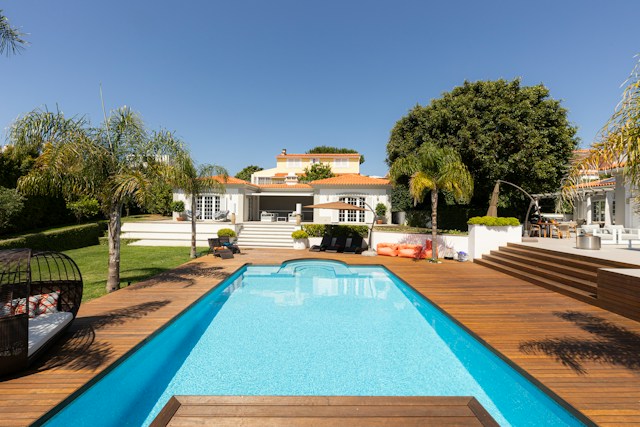
The pristine pool can go from blue to green in just a matter of hours of hot weather. In Perth’s south coast region, where there is strong sunlight and afternoon breezes coming off the ocean, the pool water is under continual stress. Those who keep up with the stresses of the pool can enjoy their pools throughout the summer season, while others end up spending most of the weekend trying to fix the problem.
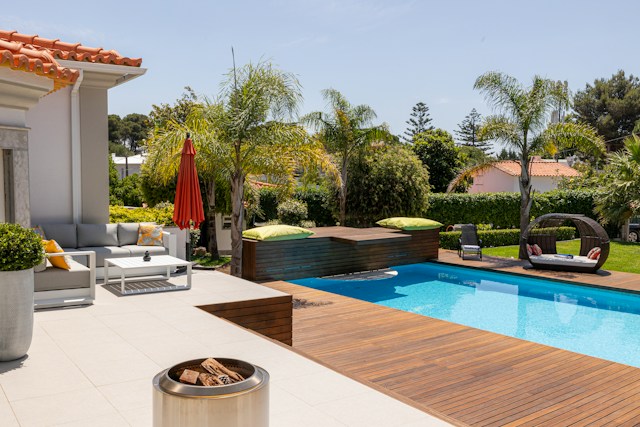
Why Pools On The Coast Require Extra Effort?
There are several reasons why pools located along the coast need extra care, often from pool maintenance Secret Harbour specialists, compared to those found inland. These pools get fine sand, leaves, and salt air directly in the water due to sea breezes.
Australia’s western regions have plenty of sunshine, which adds an extra challenge for coastal pool owners. This type of ultraviolet radiation will quickly destroy any remaining chlorine. There are also algae problems in warm water conditions according to the Western Australia Health Department. In addition, salt air has corrosive properties as well.
How Often To Test, And What To Be Looking For?
Pool water changes a lot faster than lots of owners think it will. WA Health says to check pool chemical levels at least once a day, and more often if the sun is beating down. And when the heat is on, they recommend testing before the first swim of the day and then again a bit later.
The two most important numbers to keep an eye on are free chlorine and pH. If you’ve got an outdoor pool with stabiliser, then WA Health says you should aim to keep the free chlorine at a minimum of:
- 2 milligrams per litre when the water’s cool, below 26°C.
- 3 milligrams per litre when the water gets hot, above 26°C.
pH is a bit of an indicator of whether that chlorine is actually doing its job properly. It performs best in a pretty narrow range, between 7.2 and 7.8. 7.5 is actually considered the sweet spot for swimmers. Stabiliser, which basically acts as a sunscreen for the chlorine, should sit around 30 to 50 milligrams per litre.
Lots of people get caught out by a strong chlorine smell thinking it’s too much, but actually it usually means there’s not enough. Before you let anyone swim in the pool after adding chemicals, wait at least 30 minutes, and never add them while people are in the water.
Salt Chlorinators Need Some TLC Too
For WA homes, saltwater chlorination is probably the most common way to keep the pool clean. These systems work by passing an electric current through salty water to create chlorine. They’re pretty convenient, but they still need checking occasionally.
If you’ve got a busy or hot period coming up, a chlorinator might not be able to produce enough chlorine on its own. And one of the warning signs is a cloudy, milky pool. On top of that, white scale can start to build up on the electrodes, which reduces how much chlorine the system can actually produce. Cleaning the cell regularly is the way to keep it working properly, just like the manufacturer says.
A Routine That Actually Works
The thing is, if you just do a few small tasks regularly, you can avoid all the costly repairs that come from neglect. A routine that makes sense includes:
- Checking the chlorine and pH levels every day, and more often if it’s hot.
- Skimming off any leaves or debris, especially after a windy day.
- Emptying the skimmer and pump baskets to keep everything running smoothly.
- Brushing the walls and steps to stop algae taking hold.
- Vacuuming the sand off the floor.
- Cleaning the filter when it starts to get a bit clogged up or the pressure gauge starts to rise.
But filtration is just as important as chemicals. WA Health says that a pool’s filter should be able to circulate all the water in the pool in six to eight hours. And it should keep running for at least an hour after the last swimmer gets out.
Safety And Pool Fencing In WA
Western Australia’s got some pretty strict rules when it comes to pool and spa barriers. The fence needs to meet a certain height and gap requirement, and the gate needs to be able to close and latch on its own. Local councils check pool barriers every four years.
But here’s the thing: a fence can stop complying without anyone even noticing. If you’ve got outdoor furniture or pot plants just outside the fence, it might give a little climber something to hang on to. And if you’ve got a gate that’s getting a bit worn by the salt air, it might not be closing properly. Checking them regularly is worth it.
Barriers are a start, but close supervision of young kids around water is still the best protection of all.
Water And Power Saving
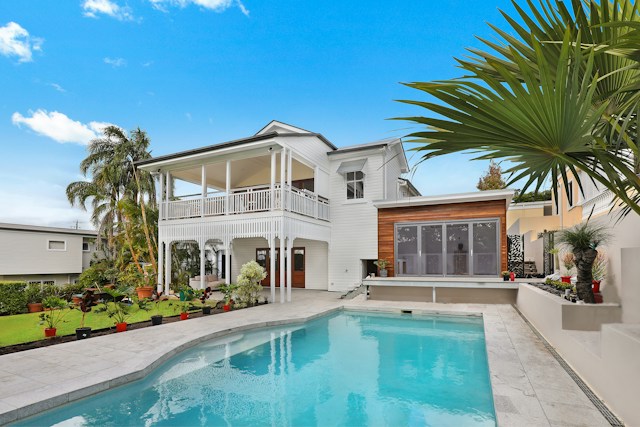
Uncovered pools will evaporate quite a lot of water, especially in hot and windy weather conditions. With the installation of a cover, the pool will reduce water evaporation and keep away sand and leaves. In summer, according to WA Health, a pool cover can make the water warmer and cause algae growth; hence, chemical levels should still be monitored.
It is important to consider running costs as well. Variable speed pumps usually consume less electricity compared to their single-speed counterparts. Pumping the water at off-peak times and when there is generation by solar panels can reduce electricity costs.
A coastal pool will always be clean throughout the entire season. It just requires consistent maintenance daily rather than occasionally.




Leave a comment